

BUNGE
Connecting farmers to consumers to deliver essential food, feed and fuel to the world.
Founding and Early Expansion
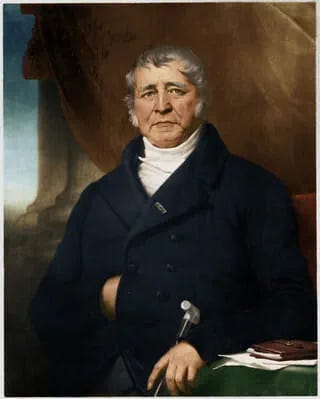
Bunge was founded in 1818 in Amsterdam, Netherlands, by Johann Peter Gottlieb Bunge as a small grain trading firm. (Bunge)
In 1859 the company relocated its headquarters to Antwerp, Belgium, helping expand trade into new international markets. (Wikipedia)
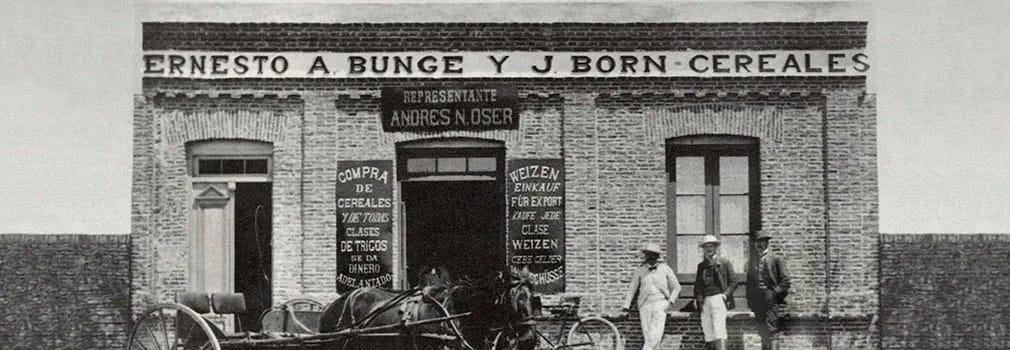
Bunge entered South America in the late-19th century (Argentina, then Brazil) and reached North America by 1918, growing its role in global agricultural markets. (Bunge)
20th–21st Century Growth
Throughout the 20th century, Bunge expanded into oilseed processing, grain distribution, and food ingredient production. (Wikipedia)
It became a publicly traded company with an IPO on the New York Stock Exchange in 2001. (AIDiscountedCashFlowTemplates)
In recent decades, Bunge emphasized oilseed crushing and global grain origination, becoming one of the world’s largest processors of oilseeds and exporter of grains. (AIDiscountedCashFlowTemplates)
Position Today
Bunge Global SA (often referred to simply as Bunge) is a major global agribusiness and food company with corporate headquarters in St. Louis, Missouri (operational) and legal domicile in Geneva, Switzerland. (Wikipedia)
It competes with other global agribusiness giants such as ADM, Cargill, and Louis Dreyfus. (Wikipedia)

Oilseed Processing and Agribusiness in Canada
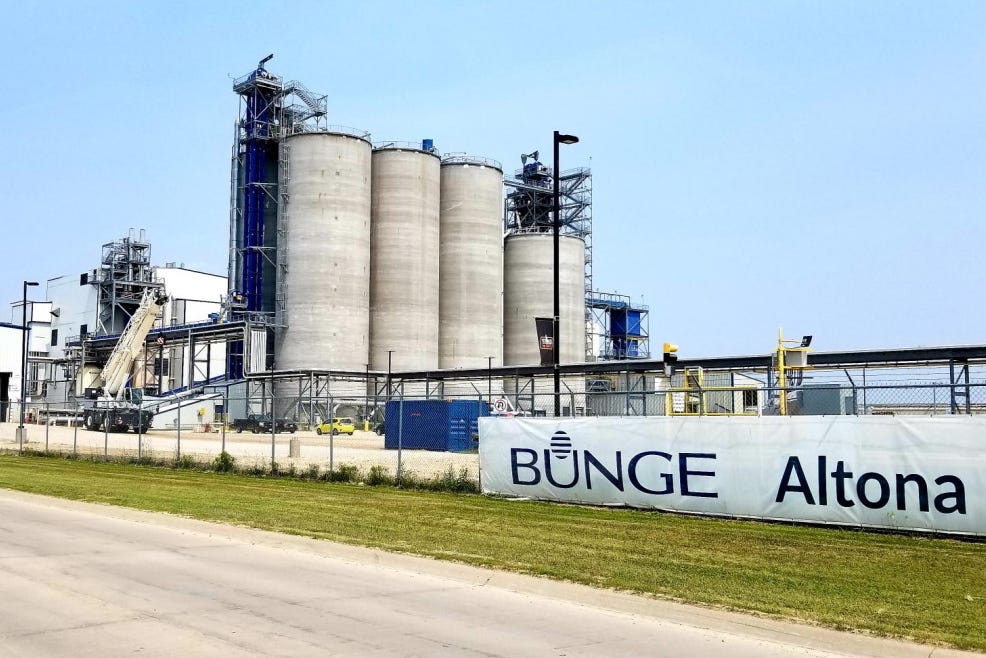
Bunge has been a major oilseed processor in Canada for decades, particularly of canola oil—a central crop in Western Canadian agriculture. Its facilities produce edible oils, proteins for animal feed, and other food-industry products, and it’s Canada’s largest processor of oilseeds. (Alberta.ca)
Grain Handling and Elevators
Historically, Bunge operated a network of grain elevators and storage assets in Western Canada (especially in Saskatchewan and Manitoba) to source and ship grain from prairie farmers. (Viterra)
Merger with Viterra
In 2025, Bunge completed a major merger with Viterra—a Regina-based grain handling and marketing company that was formerly one of Canada’s largest grain handlers (Viterra was formed in 2007 by the merger of Saskatchewan Wheat Pool and Agricore United). (CP24)
The deal, valued at roughly $34 billion USD, combined Viterra’s extensive Canadian elevator network with Bunge’s global agribusiness. (CP24)
This transaction positioned Bunge as a leading global competitor and significantly expanded its grain storage and distribution footprint. (CP24)
Bunge was a founding partner of G3. In 2015, Bunge Canada teamed up with the Saudi Agricultural and Livestock Investment Company (SALIC) to form G3 Global Grain Group. (G3)
Bunge contributed its own Canadian grain assets (elevators and terminals) to the new company, helping G3 become a major competitor in the Canadian prairies almost overnight. (Agri Investor)
The relationship between Bunge and G3 is a complex one that has recently shifted into a strictly regulated, "arms-length" minority investment (25%) due to Bunge’s merger with Viterra. (Real Agriculture Canada.ca)
Further Information:
