The name Baker fan comes directly from Abner D. Baker, the founder of the A. D. Baker Company in Swanton, Ohio.
In the late 19th and early 20th centuries, the A. D. Baker Company was a leading manufacturer of steam traction engines and threshing machinery. To test and break in new steam engines before shipping them to customers, Baker developed a simple, heavy-duty air-resistance device driven by a belt pulley.
How the Baker Fan Works
Before modern hydraulic dynamometers were widespread, testing an engine’s power delivery under continuous load required a practical solution:
Self-Regulating Resistance: The fan consists of a central shaft with four wide, flat paddle blades enclosed or semi-exposed in a sturdy frame.
Exponential Air Drag: As the engine turns the fan via a belt connected to its flywheel, the paddle blades push against ambient air. Because air resistance increases exponentially with speed, turning the fan faster requires significantly more power.
Testing & Tuning: This created an ideal, continuous, stationary load to break in new piston rings, seat valves, and calibrate governors to a steady operating speed—all without requiring a belt-driven thresher or moving field equipment.
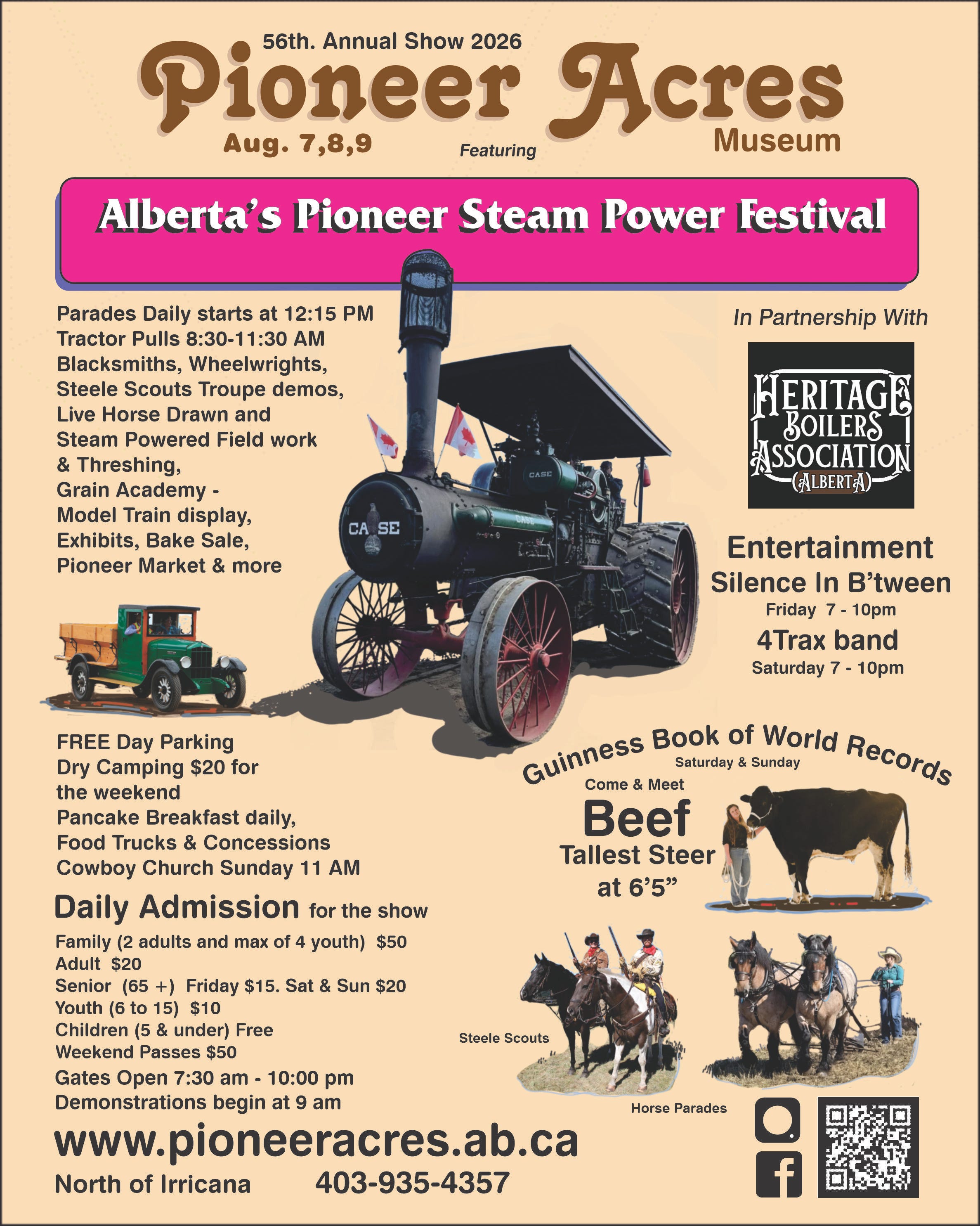
Because the design was simple, durable, and remarkably effective, the device became ubiquitous throughout the steam era and early gas tractor days, keeping the name of its inventor long after production ceased.
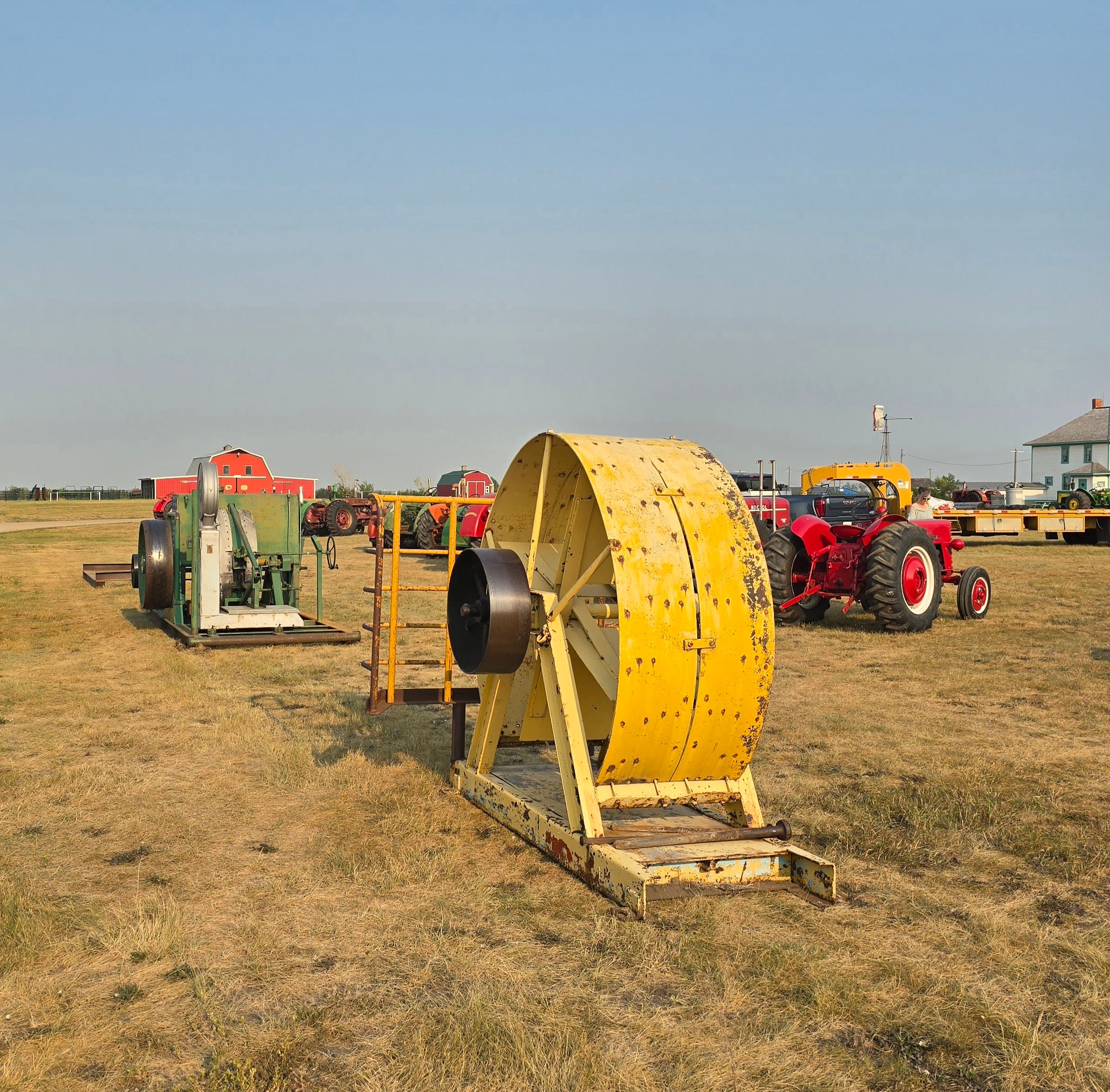
A Baker fan will be in operation at Alberta’s Pioneer Steam Power Festival on August 7,8,9.