

VICTORIA DAY
Canada’s oldest official holiday
Victoria Day is Canada’s oldest official holiday, and its evolution from a structured military muster to the unofficial kickoff of the Canadian summer is a fascinating piece of history.
Here is how the “May Two-Four” long weekend came to be.
The Pre-Civilian Era: Militia and Muskets
Before it became a statutory civil holiday, the monarch’s birthday in British North America wasn’t a day off for relaxing; it was a day of compulsory labor. In the 18th and early 19th centuries, the sovereign’s birthday was the designated day for local, able-bodied men to assemble for annual militia training. Communities would gather to watch military reviews, practice drills, fire gun salutes, and—once the official duties were wrapped up—toast the King at local taverns.
A Bridge Between Cultures (1845)
When Queen Victoria ascended to the throne in 1837, her actual birthday fell on May 24. In 1845, the Parliament of the Province of Canada (present-day Ontario and Quebec) decided to transform this date from a rigid military review into an official public holiday.
The move was highly strategic. Lawmakers were looking for common cultural ground to unite English and French Canadians following the Rebellions of 1837–1838. Because the Crown was viewed by both groups as a guarantor of minority rights and a distinct marker separating Canada from the United States, celebrating the young Queen’s birthday was a massive hit.
By the time of Confederation in 1867, the day had morphed into a massive nationwide festival featuring:
All-day picnics and community parades
Athletic competitions and horse races
Torch-light processions and midnight fireworks
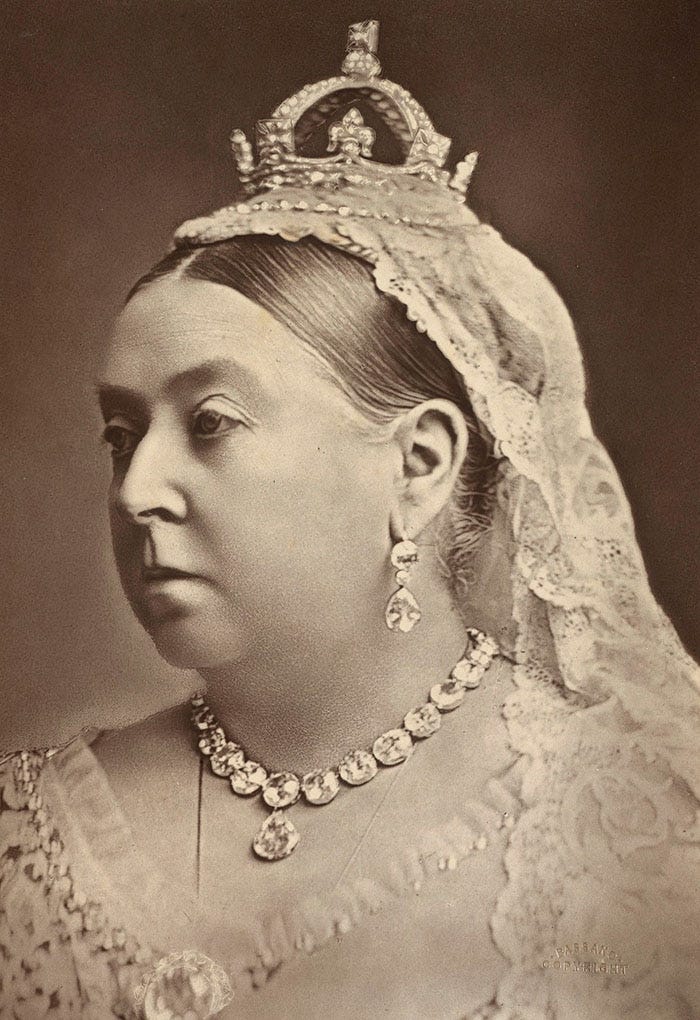
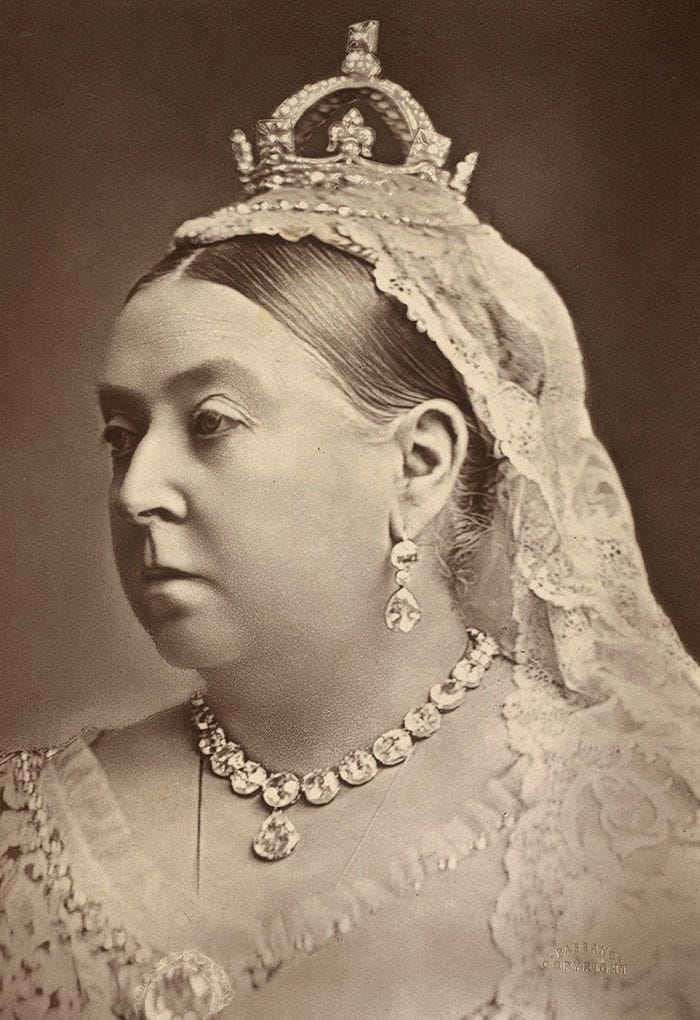
Alexandrina Victoria; 24 May 1819 – 22 January 1901 (Royal Collection Trust ©)
The Death of Victoria and “Mother of Confederation” (1901)
When Queen Victoria passed away in 1901 after a 63-year reign, the Canadian Parliament wanted to permanently cement her legacy. They officially named the May 24 holiday Victoria Day, honoring her posthumously as the “Mother of Confederation” because she had given royal assent to the British North America Act and personally chosen Ottawa as the capital.
Crafting the Modern Long Weekend (1952)
Originally, Victoria Day was celebrated strictly on May 24, regardless of what day of the week it fell on. If it hit a Wednesday, Canadians took a single day off in the middle of the week.
That changed in 1952 when the federal government amended the Statutes of Canada, moving the holiday permanently to the Monday preceding May 25.
Overlap with the Reigning Monarch
While the holiday permanently honors Queen Victoria, it is also legally designated as the Sovereign’s Official Birthday in Canada.
King Edward VII (who was born in November) had his official birthday celebrated on Victoria Day.
Queen Elizabeth II’s official Canadian birthday celebrations were permanently pinned to Victoria Day via royal proclamation in 1957.
In May 2023, a rolling proclamation ensured that this tradition continues seamlessly under King Charles III and all future monarchs, keeping the sovereign’s official Canadian birthday fixed to the May long weekend.
On the Canadian prairies, the Victoria Day long weekend is widely regarded as the ultimate physical and psychological “finish line” for seeding spring wheat.
Here is how the May long weekend became the unofficial pivot point of the western Canadian farming calendar.
The “May 24” Rule of Thumb
While urban Canadians look at the Victoria Day weekend as the time to open the cottage or plant annual flowers, prairie farmers view it with a ticking clock in their heads.
Agronomists generally consider the optimum planting window for spring wheat to be late April through the first half of May. The golden rule is to have the seeds in the ground early so the crop can:
Maximize the use of early spring soil moisture.
Flower before the intense, blasting heat of mid-July (which can cause heat stress and hurt seed set).
Mature early enough to be harvested in August or early September, beating the devastating early autumn frosts.
Because of this, the traditional goal for generations of prairie farmers has been to have the wheat entirely in the ground by the time Victoria Day arrives.
The Agronomic Fallout of Missing the Milestone
Every day that planting is delayed past Victoria Day cuts into the crop’s potential. Agronomic data across Alberta, Saskatchewan, and Manitoba shows that:
Yield Loss: Spring wheat yields typically begin a steady decline if planted after mid-May.
Quality Drop: Later-seeded wheat is much more likely to suffer from lower bushel weights and frost damage in the fall, which downgrades it from high-value milling wheat to lower-value feed wheat.
Precipitation Odds: Environment Canada data indicates that the probability of a crop receiving sufficient total growing-season moisture drops significantly if planting pushes past May 20–22.
The Modern Catch: Late Springs and Flexing Deadlines
Of course, Mother Nature doesn’t care about statutory holidays. In years with heavy winter snowpacks, spring flooding (like the Red River Valley often sees), or lingering winter cold, getting done by Victoria Day is impossible.
When late springs drag on, farmers are forced into a mad scramble over the long weekend, or they have to adapt:
The “Switch-Out”: If a farmer is severely delayed past Victoria Day, they may abandon their plans for long-season spring wheat entirely and switch those acres to shorter-season crops like barley, oats, or early-maturing canola varieties.
The Real Insurance Deadlines: While Victoria Day is the agronomic target for peak yield, the actual provincial crop insurance deadlines for full coverage on spring wheat usually extend further into June (often June 15 or 20).
Sources:
History of the Sovereign's birthday
Why do we celebrate Victoria Day in Canada?
Choosing seeding date can be tricky; early has advantages
